1
Online assessment
You send recent photographs and any available dental images so our team can review your concerns and prepare a preliminary treatment outline before you travel.
Thin, custom-made ceramic veneers that refine the colour, shape and symmetry of the front teeth while preserving healthy tooth structure.
Small changes to the colour, shape or alignment of the front teeth can have a noticeable effect on the whole smile. Laminate veneers are thin, custom-made restorations placed over the front surfaces of selected teeth to improve their appearance while preserving as much healthy tooth structure as the case allows. At Luxi Dent Center in Antalya, veneer treatment is planned around the face, lips, gum line, bite and natural tooth proportions rather than a single standard smile.
A veneer is a thin shell bonded to the front surface of a tooth. Laminate veneers are usually made from dental ceramic and are individually designed to change visible features such as shade, contour, length, symmetry and minor spacing. The terms veneers, laminate veneers and porcelain veneers are often used together, but the exact material and preparation method may vary. Veneers mainly cover the front surface of the tooth, unlike crowns, which usually surround most or all of the visible tooth. Because veneers are bonded to natural teeth, treatment planning must consider the condition of the enamel, the bite and the amount of healthy structure available.
Veneers may be considered for visible front teeth that are healthy enough to support them. They can help with persistent discolouration that does not respond sufficiently to whitening, chipped or worn tooth edges, small gaps between teeth, minor differences in tooth length, shape or proportion, uneven or asymmetrical front teeth, mild surface defects or enamel irregularities, and smiles that would benefit from coordinated changes across several front teeth. They do not correct every problem: significant crowding, active gum disease, untreated decay, severe bite problems or heavily weakened teeth may require orthodontics, gum treatment, crowns or another approach before veneers can be considered.
The amount of tooth preparation depends on the tooth position, the desired change, the veneer material and the available enamel. Some cases require only minimal reshaping, while others need more preparation to create space and prevent the final result from appearing bulky. Preparation commonly involves removing a thin layer from the front surface and edge of the tooth. In suitable minimal-prep cases the amount may be very small, but veneers should not be presented as completely reversible once enamel has been removed, because prepared enamel does not grow back. Different ceramic systems offer different balances of translucency, strength and preparation requirements: lithium disilicate veneers, often associated with systems such as E-max, can provide a natural balance of strength and translucency; traditional porcelain laminate veneers can be layered to reproduce subtle colour, texture and light reflection; minimal-prep or no-prep veneers may be possible in selected cases; and composite veneers built from tooth-coloured resin may be considered for smaller changes, repairs or different budget requirements. No single material is best for every patient.
Veneers and crowns can both improve a smile, but they serve different clinical purposes. A veneer mainly covers the front surface of the tooth and aims at cosmetic improvement with conservative coverage, usually on healthier teeth with cosmetic concerns, and often needs less extensive preparation. A zirconia crown covers most or all of the visible tooth, provides structural protection alongside cosmetic restoration, is typically used on weakened, heavily restored or damaged teeth, and usually requires more circumferential preparation. The most conservative suitable treatment should be considered first, and a healthy tooth should not automatically be prepared for a crown when a veneer, bonding or orthodontic treatment could achieve the desired result. A natural-looking outcome also depends on more than selecting a white shade: tooth proportions, surface texture, translucency, edge shape, gum line and the relationship between the teeth and lips all affect how the smile appears. The number of teeth treated should be based on the smile line and the visible transition between restored and natural teeth, and any whitening of untreated natural teeth should usually be completed first, because ceramic veneers do not whiten after bonding.
Veneer treatment for international patients is commonly completed during one visit to Antalya, provided no additional dental or gum treatment is required. Online review and preliminary planning take place before travelling, while examination, scans and smile planning happen at the first clinic appointments. Preparation, impressions, temporary veneers, laboratory production and try-in are carried out during your stay, with final bonding and a bite check at the closing appointments. A typical stay in Antalya is approximately 5-7 days, although the exact schedule depends on the number of veneers, the health of the teeth and gums, laboratory workflow and whether treatments such as whitening, gum contouring, root canal treatment or replacement of old restorations are needed. Mild gum tenderness or temporary sensitivity may occur after preparation and bonding, and the mouth may need a short period to adapt to the new tooth contours and bite. Aftercare includes brushing twice daily with a soft toothbrush and fluoride toothpaste, cleaning carefully between the teeth and along the gum line, avoiding biting hard objects such as ice, pens and nutshells, not using the front teeth to open packaging, attending routine dental and hygiene appointments, wearing a night guard if advised for grinding or clenching, and contacting a dentist if a veneer feels loose, chips or the bite feels uneven. Veneers are designed as long-term restorations but they are not permanent, and their lifespan depends on material, bonding conditions, oral hygiene, gum health, bite forces and regular professional maintenance.
The cost of veneers depends on the number of teeth treated, the material selected, the amount of preparation, laboratory complexity and whether additional procedures are required. Procedures such as whitening, gum contouring or replacement of old restorations are priced separately and itemised in your preliminary quote. Patients researching veneers abroad may find treatment in Antalya more affordable than comparable private care in the UK or Western Europe, but price should be considered together with clinical planning, the quality of the material and laboratory work, temporary restorations, try-in stages and aftercare. Most planning begins before you travel: after an online assessment you receive a preliminary treatment outline and suggested schedule, and appointments are then arranged around your arrival and departure dates. During your stay, examination, preparation, temporary restorations, laboratory production, try-in and final bonding are coordinated so that there is time for adjustments before you return home. Where offered and confirmed by the clinic, the international patient team may also assist with transfer and accommodation arrangements. After returning home, continue routine dental check-ups with your local dentist and contact Luxi Dent Center if you have questions about your veneers or bite.
You send recent photographs and any available dental images so our team can review your concerns and prepare a preliminary treatment outline before you travel.
Your teeth, gums and bite are examined, photographs, digital scans and X-rays may be taken, and tooth proportions, shade and the number of teeth visible in your smile are discussed.
Where appropriate, a digital design, wax-up or temporary mock-up may be used to help assess the proposed shape and length before final production.
The teeth are prepared under local anaesthesia where required, and a digital scan or impression is taken for the laboratory.
Temporary restorations may be fitted while the final ceramic veneers are produced, protecting the prepared teeth and helping to evaluate shape and bite.
The colour, fit, shape and bite are checked, and once approved the veneers are bonded to the teeth and the bite is adjusted where needed.
The cost depends on the number of teeth treated, the material selected, the amount of preparation, laboratory complexity and any additional procedures. After reviewing your photographs and available dental records, Luxi Dent Center can prepare an itemised preliminary quote, with the final price confirmed after clinical examination.
Local anaesthesia is used where tooth preparation is required, so patients generally do not feel pain during the procedure. Temporary sensitivity or gum tenderness may occur afterwards.
When enamel has been removed, veneer treatment should be considered irreversible because natural enamel does not grow back. Minimal-prep or no-prep approaches may be possible only in selected cases.
The amount varies according to tooth position, material and the desired change. The aim is to preserve as much healthy enamel as clinically possible while creating enough space for a natural result.
The number depends on how many teeth show when you smile, the colour difference between restored and natural teeth and the changes required. A personalised smile analysis is needed.
Veneers can visually improve minor irregularities in selected cases, but they do not move teeth. Moderate or severe crowding may be better treated with orthodontics.
No. Whitening products change natural enamel but do not alter ceramic veneer colour, so whitening of untreated teeth should be considered before the final shade is chosen.
Treatment is commonly planned over approximately 5-7 days, although the exact stay depends on the number of veneers, laboratory stages and any additional treatment.
Veneers are designed as long-term restorations. Their lifespan varies with material, bonding, oral hygiene, bite forces, grinding habits and routine dental care.
Communication, appointment planning and process follow-up are provided in Turkish, English, German and Russian. We also share guidance on airport–hotel–clinic transfers and accommodation.
A preliminary assessment can be made from your dental photos and panoramic X-ray if available; the definitive treatment plan is finalized after a clinical examination.
The duration varies by procedure type and individual case; a personalized treatment and accommodation schedule is shared during the initial consultation.
Let's build your personalized treatment plan together with our expert team.
Other Treatments
Explore other treatments that may be right for you.
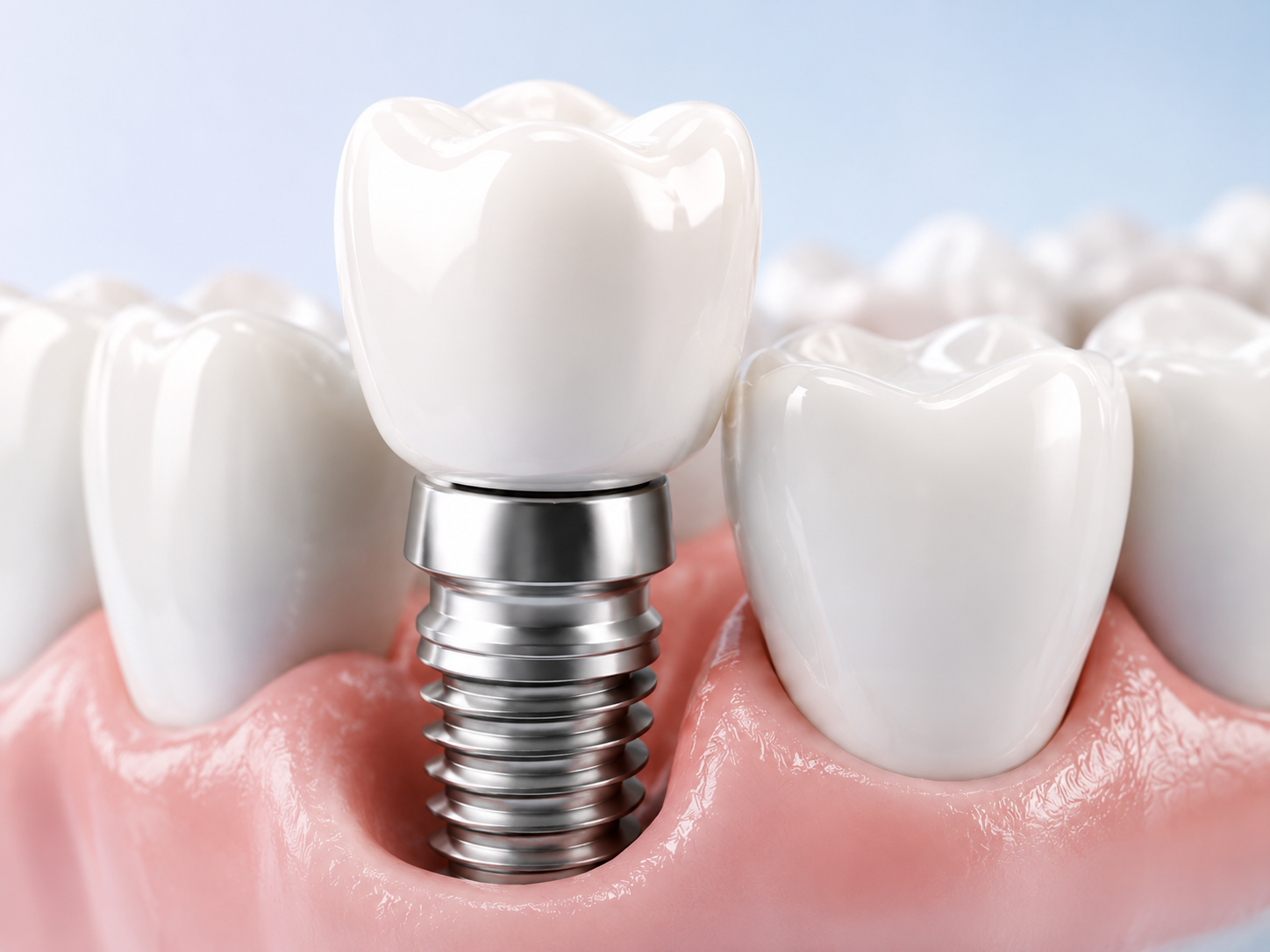 Implantology
Titanium implants that replace both the tooth and its root, helping restore natural chewing while supporting the surrounding jawbone.
View details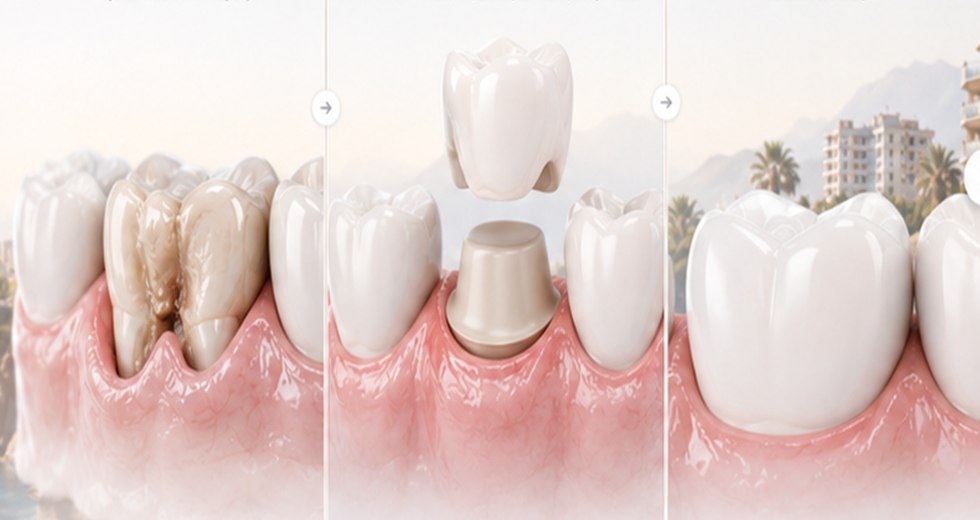 Aesthetic Dentistry
Custom-made zirconia crowns that cover, protect and restore damaged, worn or discoloured teeth while blending with your natural smile.
View details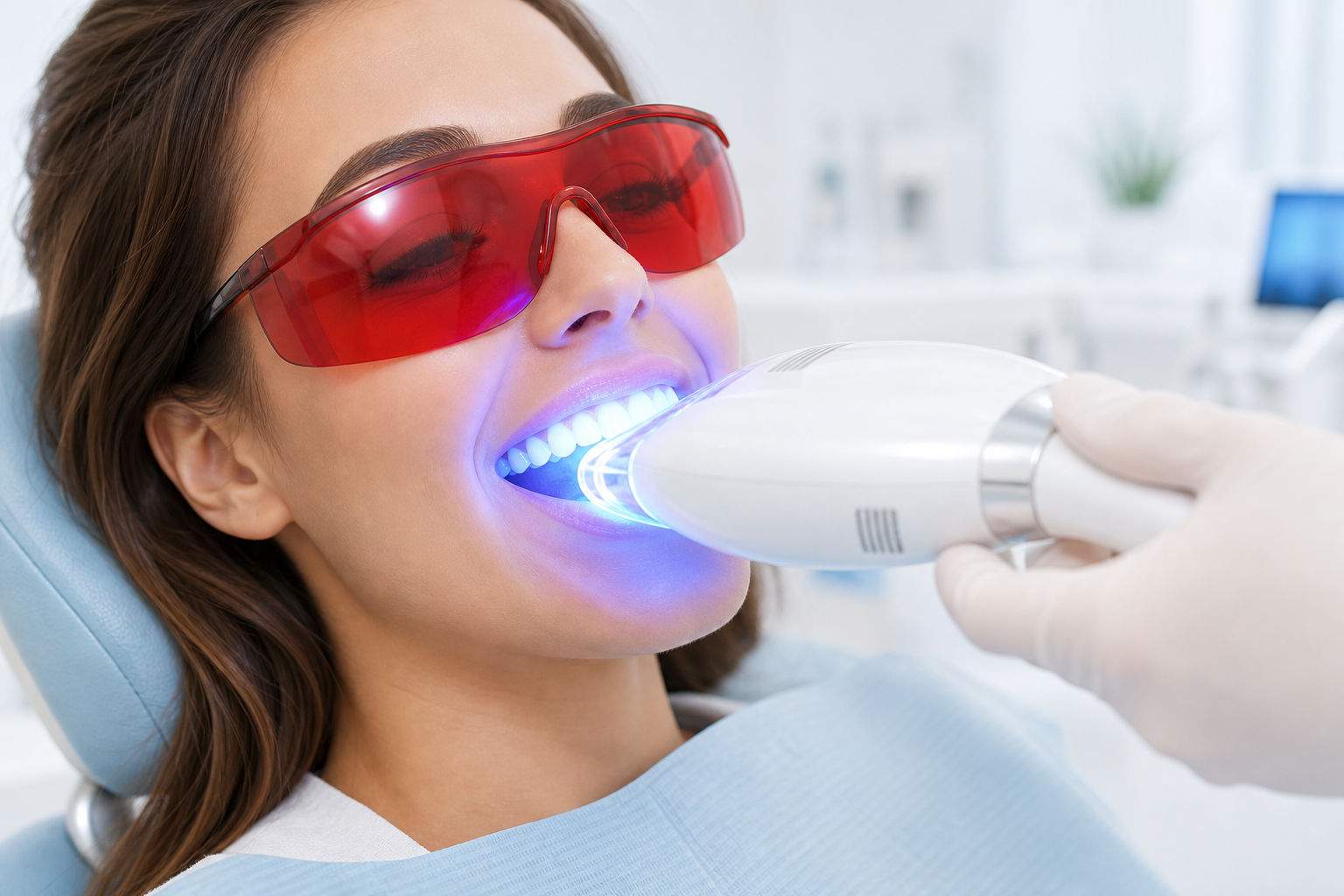 Aesthetics
Professional whitening that lightens natural enamel and reduces visible staining, planned around the condition of your teeth, gums and restorations.
View details