1
Examination and Shade Assessment
Your teeth and gums are checked, the cause of discolouration is considered and your current shade is recorded.
Professional whitening that lightens natural enamel and reduces visible staining, planned around the condition of your teeth, gums and restorations.
Teeth can become darker over time because of coffee, tea, red wine, smoking, ageing and changes within the tooth itself. Professional teeth whitening is designed to lighten natural tooth enamel and reduce visible staining without changing the shape of the teeth. At Luxi Dent Center in Antalya, whitening is planned only after the condition of your teeth, gums and existing restorations has been checked.
Professional teeth whitening is a cosmetic dental treatment that uses a peroxide-based whitening gel to break down stains within natural tooth enamel. In-office whitening is carried out under clinical supervision, with the gums and soft tissues protected before the gel is applied. The terms professional teeth whitening, teeth bleaching, laser teeth whitening and in-office whitening are often used for closely related treatments; the exact system may involve a light or activation device, but the whitening effect primarily comes from the gel itself. Whitening changes the shade of natural teeth only. It does not reshape teeth, close gaps or correct alignment.
Tooth discolouration can develop for different reasons, and the cause affects how well whitening may work. Surface staining from coffee, tea, red wine, tobacco and strongly coloured foods is common, as is natural darkening as enamel becomes thinner with age and the underlying dentine becomes more visible. Plaque or tartar deposits can make teeth appear duller, while internal colour changes may follow trauma, medication or changes within the tooth. Uneven colour is also often caused by existing crowns, veneers or fillings. A professional examination helps distinguish removable surface staining from deeper colour changes: some stains respond well to whitening, while others may require bonding, veneers, crowns or treatment of the affected tooth.
Both clinical and dentist-supervised home whitening can improve the shade of natural teeth, but they differ in concentration, timing and supervision. In-office whitening is carried out at the clinic over one or more sessions under direct clinical supervision, with sensitivity adjusted immediately during treatment, and it tends to suit patients who want a faster initial result. Dentist-supervised home whitening is used at home with custom trays or a prescribed system over several days or weeks, is planned and monitored by the dentist, and may suit patients who prefer a gradual approach or want to maintain an existing result. An in-office session commonly takes approximately 60 to 90 minutes, although the appointment length depends on the whitening system and whether cleaning or other dental treatment is needed first. Some patients may benefit from more than one session or a home-maintenance plan.
Whitening gel can lighten natural tooth enamel, but it does not change the shade of crowns, veneers, bridges, implants or tooth-coloured fillings. This matters when restorations are visible in the smile. Whitening may therefore be planned before new crowns or veneers so the restoration shade can be matched to the lighter natural teeth, and existing restorations may need replacement if their colour no longer blends with the surrounding teeth after whitening.
Temporary tooth sensitivity is the most common side effect of whitening, and some patients may also experience mild gum irritation if the tissues are already sensitive. These effects usually settle after treatment, although the intensity varies between individuals. For the first 24 to 48 hours the teeth may be more likely to pick up colour, so the dentist may advise limiting coffee, tea, red wine, tobacco and strongly coloured foods, avoiding very hot or cold food if the teeth feel sensitive, using a sensitivity toothpaste if recommended, maintaining gentle brushing and normal oral hygiene, and contacting the clinic if sensitivity is severe or does not settle. Whitening results are not permanent; their duration depends on diet, smoking, oral hygiene, the original cause of staining and whether maintenance treatment is used.
The cost of professional teeth whitening depends on the whitening system, the number of sessions, whether cleaning is required first and whether a home-maintenance kit is included. Patients researching teeth whitening in Turkey may find treatment in Antalya more affordable than comparable private care in the UK or Western Europe, but price should still be considered alongside clinical supervision, gum protection, the product used and the aftercare provided. Luxi Dent Center can provide a preliminary quote after reviewing your treatment needs, with the final recommendation confirmed after examination. Whitening can often be completed within a short stay in Antalya and may be combined with other suitable dental appointments; before travelling, you can share photos and information about existing restorations so the team can advise whether whitening is likely to meet your goals. After returning home, maintaining good oral hygiene and reducing staining habits will help preserve the result.
Your teeth and gums are checked, the cause of discolouration is considered and your current shade is recorded.
Plaque, tartar or external deposits may need to be removed before whitening so the gel can contact the tooth surfaces evenly.
A protective barrier is placed around the gums and lips to limit contact with the whitening gel.
The gel is applied to the visible tooth surfaces and, depending on the system, may be activated or refreshed in several short cycles.
The teeth are rinsed, the new shade is assessed and any sensitivity is discussed.
You receive guidance on food, drinks, smoking, oral hygiene and any maintenance options.
The procedure should not be painful, but temporary sensitivity can occur during or after treatment. The dentist can adjust the process according to your sensitivity.
The result depends on your natural tooth colour, the type of staining and how the teeth respond. The aim is a lighter, more even shade rather than an identical result for every patient.
Results vary according to diet, smoking, oral hygiene and maintenance. Coffee, tea, red wine and tobacco can cause the teeth to darken again over time.
No. Whitening affects natural enamel but does not change the colour of dental restorations.
Often, yes. Whitening may be completed first so the shade of new restorations can be matched to the lighter natural teeth after the colour has stabilised.
You can usually eat after treatment, but it may be advisable to avoid strongly coloured, acidic, very hot or very cold foods for the first 24 to 48 hours.
The term laser teeth whitening is often used for in-office systems that use a light or activation device. The whitening effect mainly comes from the peroxide-based gel.
Whitening can usually be completed in one clinic visit, although additional time may be needed if cleaning or other treatment is required first.
Communication, appointment planning and process follow-up are provided in Turkish, English, German and Russian. We also share guidance on airport–hotel–clinic transfers and accommodation.
A preliminary assessment can be made from your dental photos and panoramic X-ray if available; the definitive treatment plan is finalized after a clinical examination.
The duration varies by procedure type and individual case; a personalized treatment and accommodation schedule is shared during the initial consultation.
Let's build your personalized treatment plan together with our expert team.
Other Treatments
Explore other treatments that may be right for you.
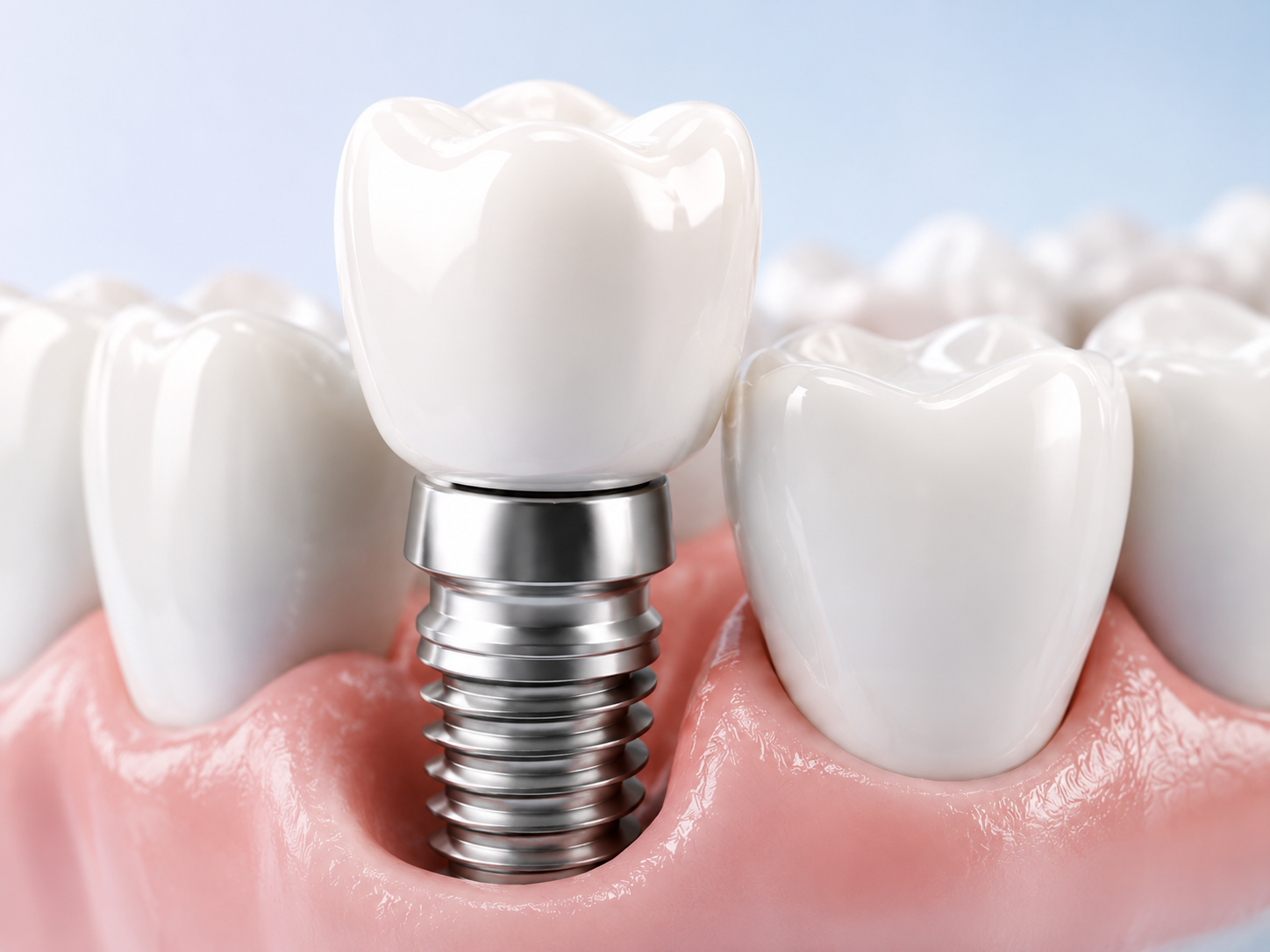 Implantology
Titanium implants that replace both the tooth and its root, helping restore natural chewing while supporting the surrounding jawbone.
View details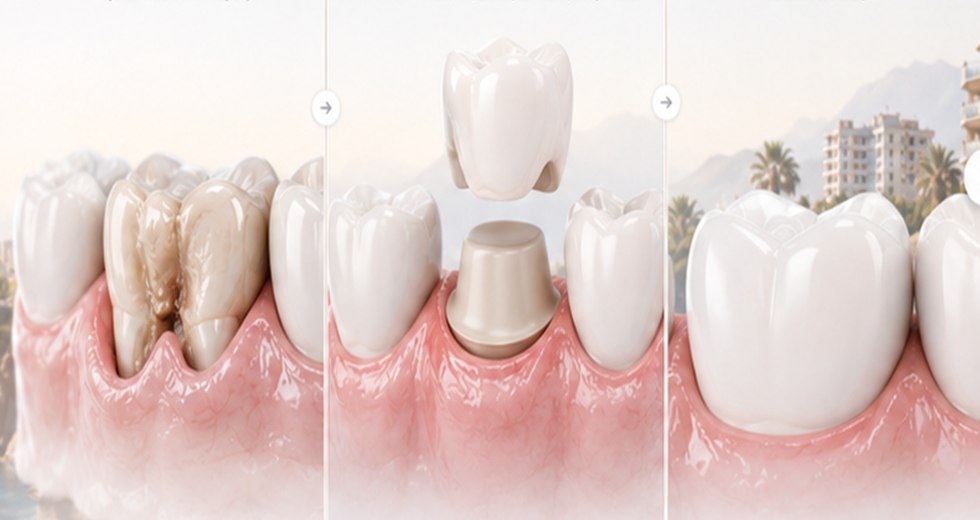 Aesthetic Dentistry
Custom-made zirconia crowns that cover, protect and restore damaged, worn or discoloured teeth while blending with your natural smile.
View details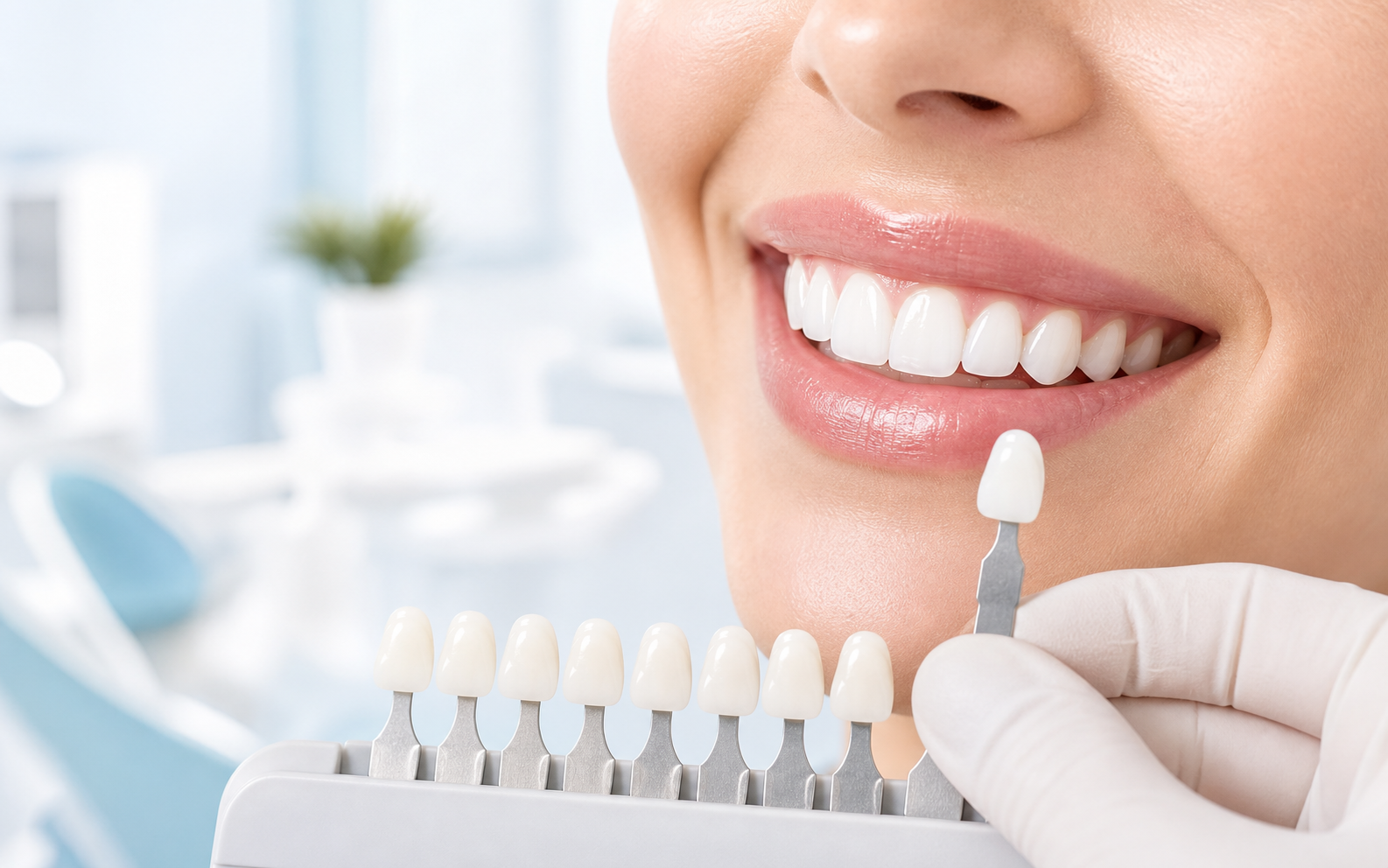 Aesthetic Dentistry
Thin, custom-made ceramic veneers that refine the colour, shape and symmetry of the front teeth while preserving healthy tooth structure.
View details