1
Consultation and Records
The teeth, gums and bite are examined, and photographs, scans and X-rays may be taken to understand tooth position and jaw relationships.
Braces and clear aligners that gradually move teeth into healthier, more balanced positions for an easier-to-clean and more stable bite.
Crooked teeth, spacing, crowding and bite problems can affect more than appearance. They may also make cleaning more difficult and place uneven pressure on the teeth and bite. Orthodontics is the area of dentistry concerned with diagnosing and treating the position of teeth and the way the upper and lower jaws meet, using controlled, gradual forces to move teeth through the supporting bone over time. At Luxi Dent Center in Antalya, orthodontic treatment is planned according to your teeth, bite, jaw relationship, age and lifestyle, and the aim is not simply to make teeth look straighter: a carefully planned result should also support a more balanced and maintainable bite, easier cleaning and improved tooth contact.
Orthodontic treatment may be considered for a range of tooth-position and bite concerns, including crowded or overlapping teeth, gaps between teeth, teeth that have rotated or erupted out of position, overbite, underbite, crossbite or open bite, protruding front teeth, midline discrepancies, teeth requiring alignment before crowns, veneers or implants, and relapse after previous orthodontic treatment. Not every irregularity requires treatment. The dentist or orthodontist evaluates whether movement would improve function, long-term oral health or appearance, and whether the expected benefit justifies the time and commitment involved.
Different orthodontic systems suit different clinical needs, and the most appropriate option depends on the complexity of movement required, appearance preferences, lifestyle and treatment discipline. Metal braces use fixed brackets and wires to move the teeth gradually and are reliable for a wide range of cases, although they are visible and require careful cleaning. Ceramic braces use tooth-coloured brackets that work like fixed braces and are less noticeable than metal brackets, but they can be more delicate and still require wires. Clear aligners are removable trays that guide teeth through planned stages, which makes them discreet and removable for eating, although they must be worn consistently and are not suitable for every case. Retainers hold teeth after active treatment and help maintain the result, and long-term wear is usually required. Invisible braces and clear aligners are popular, but appearance should not be the only deciding factor: complex bite corrections, certain rotations or limited patient compliance may mean fixed braces are clinically more suitable in some cases.
Treatment time varies widely. Minor alignment may take several months, while complex crowding or bite correction can take considerably longer. Initial records and planning generally require one or more appointments, active treatment commonly runs from several months to two years or more, review appointments are typically scheduled every four to eight weeks depending on the appliance, and retention continues long term according to the clinical plan. Missed appointments, broken appliances, inconsistent aligner wear and poor hygiene can all extend treatment, so the estimated timeline should be viewed as a clinical guide rather than a fixed guarantee.
Mild pressure or tenderness is common after braces are fitted or adjusted, or when a new aligner is started, and this often settles within a few days as the mouth adapts. During treatment it is important to brush carefully around brackets and along the gum line, use interdental brushes or other recommended cleaning aids, avoid very hard or sticky foods that may damage fixed appliances, remove aligners for eating and clean them as instructed, wear aligners for the prescribed daily time, and contact the clinic if a wire breaks, a bracket becomes loose or an aligner no longer fits. Good hygiene is essential because plaque can collect around brackets and may lead to gum inflammation, decay or visible white marks on the enamel. Teeth also tend to move naturally after treatment, so retainers, whether a removable retainer, a thin fixed wire behind the teeth or a combination of both, help hold them in their new positions while the surrounding tissues adapt.
The price of orthodontic treatment depends on the type of appliance, treatment complexity, expected duration, number of review appointments and whether additional dental treatment is required before or during alignment. Metal braces, ceramic braces and clear aligners may have different fee structures, so a low initial figure should be reviewed together with what is included, such as records, adjustments, replacement appliances and retainers. After examination and diagnostic records, Luxi Dent Center can provide a personalised treatment plan and itemised quote.
Orthodontic treatment requires repeated monitoring and adjustments, so it is different from procedures completed during one short dental trip, and patients living abroad need a realistic plan for follow-up care before starting treatment. For this reason, orthodontics in Antalya may be most practical for patients who live locally, stay in Turkey for extended periods, visit Antalya regularly or can coordinate care between Luxi Dent Center and a dentist or orthodontist in their home country. Where clinically appropriate, some clear aligner stages may be supplied in advance, but aligner treatment still requires professional monitoring and regular clinical reviews. Because treatment extends over months rather than days, international patients should discuss review frequency, travel availability, emergency care and retention before committing to a plan, as a treatment that looks convenient at the start can become difficult if follow-up is not realistically arranged.
The teeth, gums and bite are examined, and photographs, scans and X-rays may be taken to understand tooth position and jaw relationships.
The clinical team identifies the movements required, discusses suitable appliance options and provides an estimated timeline.
Braces are fitted or the first series of clear aligners is provided, and hygiene, wear and care instructions are explained.
Teeth are monitored and the appliance is adjusted or new aligner stages are supplied according to the plan.
Small adjustments are made to improve alignment, tooth contact and overall stability.
Once active treatment is complete, retainers are provided to help reduce the risk of teeth moving back.
No. Adults can also receive orthodontic treatment when their teeth and supporting tissues are healthy enough. The plan may differ according to gum health, restorations and treatment goals.
Children may benefit from an early assessment while the jaws are still developing. This does not mean every child needs immediate treatment; the timing depends on growth and the problem identified.
Braces do not usually cause continuous pain, but pressure and tenderness are common after fitting and adjustments. This often settles within a few days as the mouth adapts.
Clear aligners can treat many alignment problems, but they are not ideal for every case. Their effectiveness also depends heavily on consistent wear.
Reviews are commonly scheduled every few weeks, but the exact interval depends on the appliance and treatment stage.
Veneers can alter the visible shape of teeth but do not move the roots or correct every bite problem. Healthy teeth with significant crowding may benefit from orthodontic assessment before irreversible preparation.
They can. Retainer wear is important because teeth naturally tend to shift over time.
Starting treatment without a reliable follow-up plan is usually not advisable. Orthodontics requires regular monitoring, so ongoing access to suitable care should be arranged first.
Communication, appointment planning and process follow-up are provided in Turkish, English, German and Russian. We also share guidance on airport–hotel–clinic transfers and accommodation.
A preliminary assessment can be made from your dental photos and panoramic X-ray if available; the definitive treatment plan is finalized after a clinical examination.
The duration varies by procedure type and individual case; a personalized treatment and accommodation schedule is shared during the initial consultation.
Let's build your personalized treatment plan together with our expert team.
Other Treatments
Explore other treatments that may be right for you.
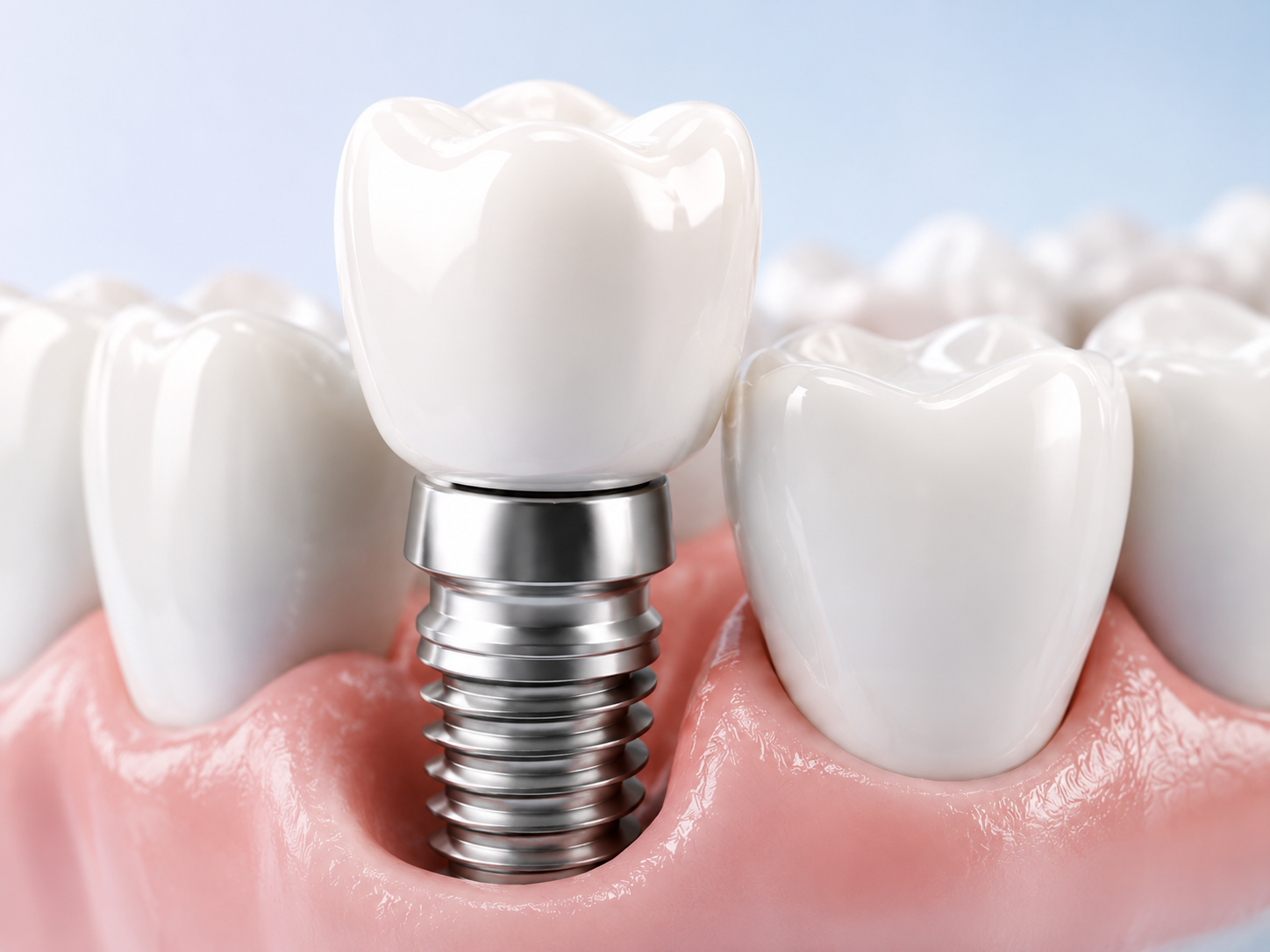 Implantology
Titanium implants that replace both the tooth and its root, helping restore natural chewing while supporting the surrounding jawbone.
View details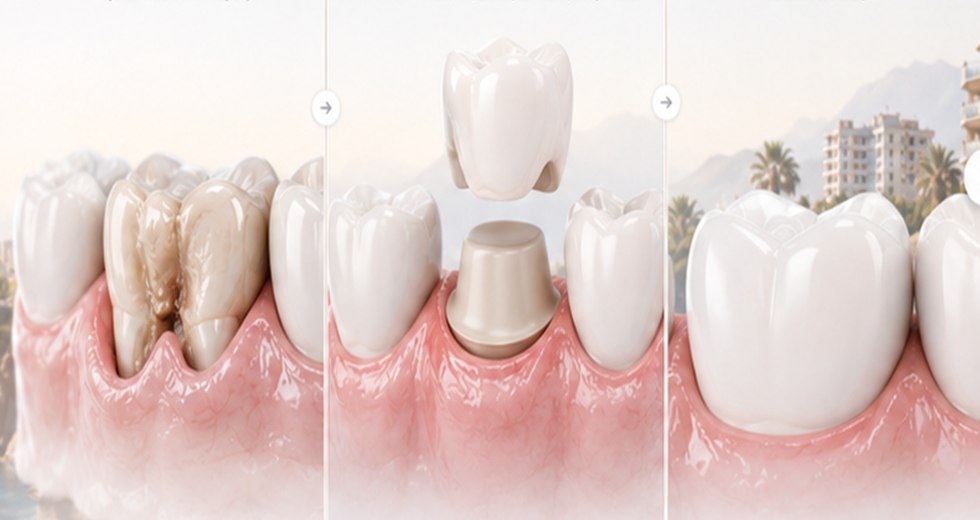 Aesthetic Dentistry
Custom-made zirconia crowns that cover, protect and restore damaged, worn or discoloured teeth while blending with your natural smile.
View details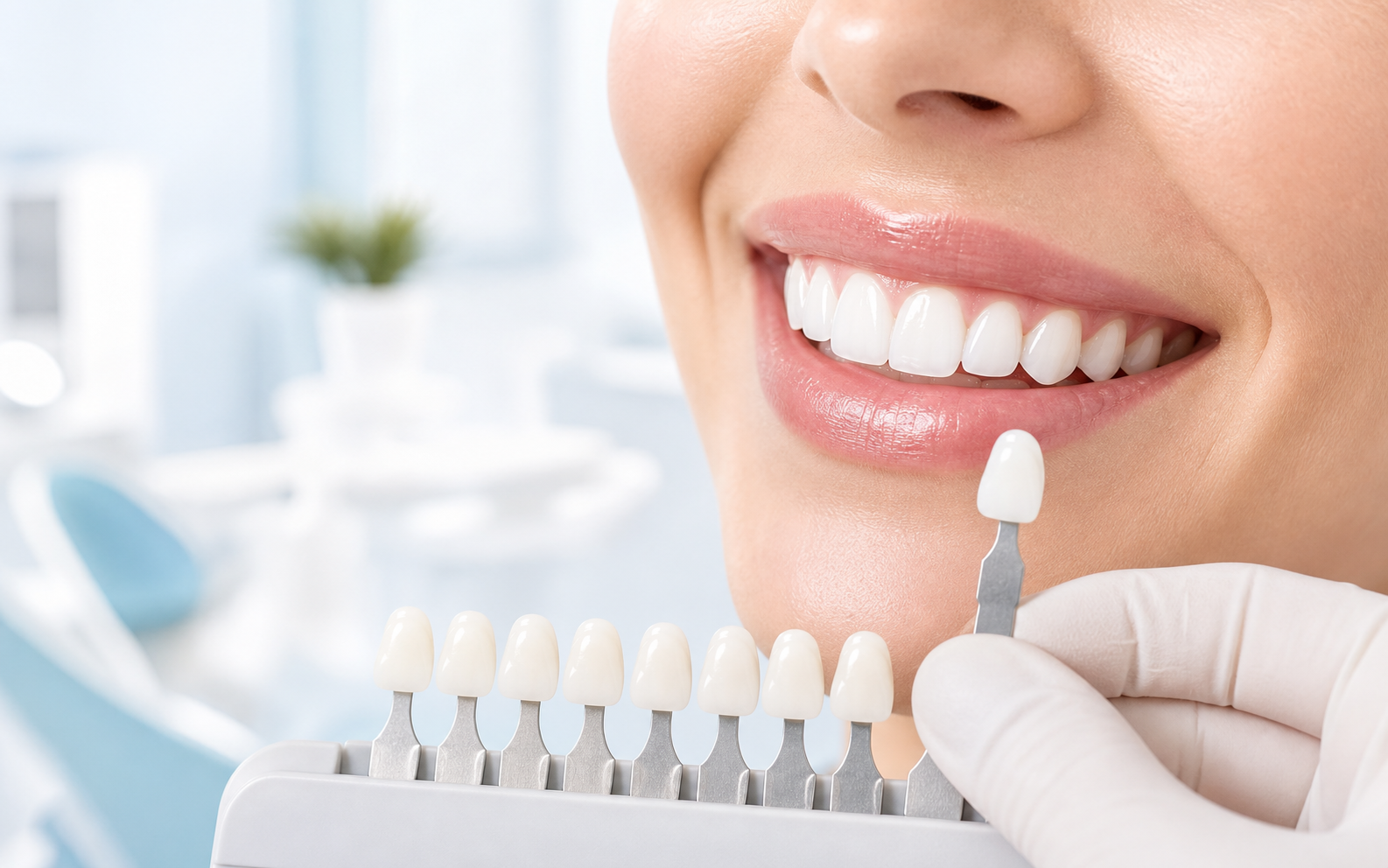 Aesthetic Dentistry
Thin, custom-made ceramic veneers that refine the colour, shape and symmetry of the front teeth while preserving healthy tooth structure.
View details