1
Online assessment and planning
You send dental photographs, medical information and a recent panoramic X-ray or CT scan where available, so the team can prepare an initial outline before travel.
One coordinated plan that restores chewing, bite stability and appearance when several teeth are missing, worn, broken or failing.
When several teeth are missing, worn, broken, infected or no longer functioning together comfortably, treating one tooth at a time may not solve the wider problem. Full mouth rehabilitation brings multiple dental needs into one coordinated plan to restore chewing, bite stability, appearance and long-term maintainability. At Luxi Dent Center in Antalya, full mouth dental treatment is planned around the condition of the teeth, gums, jawbone, bite, facial proportions and the patient's medical history, and depending on the case it may combine dental implants, crowns, bridges, root canal treatment, gum care, extractions and temporary restorations.
Full mouth rehabilitation is a personalised treatment plan that restores or replaces multiple teeth across the upper jaw, lower jaw or both, and it is also called full mouth reconstruction or comprehensive restorative treatment. The goal is not only to create a more attractive smile: treatment must also consider how the upper and lower teeth meet, whether remaining teeth can be preserved, where implants may be required, jawbone and gum support, chewing comfort and speech, the condition of existing crowns, bridges or dentures, and how the final restorations will be cleaned and maintained. There is no single full mouth package that suits every patient, as one person may need crowns on worn natural teeth while another may require multiple dental implants and bridges or full-arch implant treatment. This is also what distinguishes full mouth rehabilitation from a Hollywood Smile: a Hollywood Smile focuses mainly on cosmetic concerns in the visible smile using whitening, veneers, crowns, bonding and gum contouring, while full mouth rehabilitation focuses on function, health, bite and restoration, is often staged and may require two visits or more. Aesthetic improvements can certainly form part of full mouth treatment, but the design should be built on a stable functional foundation.
Full mouth rehabilitation may be considered when several functional and restorative problems occur together. These include multiple missing teeth, severely worn or shortened teeth, broken, cracked or heavily filled teeth, advanced decay affecting several teeth, failing crowns or bridges, loose or uncomfortable dentures, bite collapse caused by tooth loss or wear, pain or difficulty when chewing, and a combination of natural teeth, implants and old restorations that no longer work together predictably. The plan may also improve appearance, but functional problems and active disease should be managed before purely cosmetic decisions are finalised.
Depending on the case, the plan may involve dental implants to replace individual or multiple missing teeth where there is sufficient bone and healing time, implant-supported bridges that replace several teeth using fewer implants than one implant per tooth, or All-on-4 and All-on-6 treatment to replace a full arch of failing or missing teeth, which is not suitable for every full-mouth case. Crowns protect and reshape weakened or heavily restored teeth, bridges replace selected gaps using teeth or implants for support, root canal treatment preserves infected but restorable teeth, gum treatment controls inflammation and supports long-term stability, and temporary restorations protect teeth while testing bite, appearance and comfort. A central decision is whether each tooth should be restored, monitored or removed: preserving a natural tooth can be valuable when it has sufficient structure and support, but keeping a tooth with a poor prognosis can compromise the wider plan. A full set of dental implants does not necessarily mean one implant for every missing tooth, because in many cases multiple dental implants support bridges or a complete arch restoration.
When many teeth are restored together, the bite must be assessed carefully, as worn teeth, missing back teeth or old restorations can change the distance between the jaws and the way chewing forces are distributed. Planning may include digital scans, photographs, bite records, temporary restorations and diagnostic mock-ups, and temporary teeth can help the dentist evaluate comfort, speech, tooth length and jaw position before the final restorations are produced. During the temporary phase the dentist may assess bite comfort and chewing function, speech and pronunciation, tooth length and lip support, smile line and facial balance, cleaning access and whether any area feels overloaded, so that adjustments reduce the risk of transferring an unsuitable design directly into the final restorations. Different materials may be selected for different areas of the mouth, since front teeth may need greater translucency while back teeth may require greater strength. Possible materials include zirconia, other dental ceramics, metal-ceramic restorations, composite or acrylic temporary materials and implant-supported bridge frameworks, with the choice depending on tooth position, bite forces, available space, opposing teeth, aesthetic expectations, hygiene access and budget. The aim is to create a bite that is comfortable and maintainable rather than simply making every tooth look longer or whiter.
Treatment is staged according to the case. Crowns and bridges on natural teeth may be completed during one treatment trip of approximately 5-10 days covering examination, preparation, temporary teeth, try-in and final fitting. Implant treatment with a healing period usually involves two visits separated by approximately three to six months, with surgery on the first visit, healing at home and final restorations on the second. Full-arch implant treatment typically also involves two visits, combining surgery and a temporary bridge, a healing period and a final bridge appointment, while complex combined rehabilitation covering disease control, surgery, temporaries and staged restorative care may require two or more visits. The exact schedule depends on the number of teeth, the need for implants or grafting, laboratory stages, healing and whether both jaws are treated. Recovery also varies according to the treatments included: crown preparation may cause temporary sensitivity or gum tenderness, while implant surgery can involve swelling, bruising and a soft-food period. During treatment and healing it is important to follow all medication, hygiene and dietary instructions, protect temporary restorations from hard or sticky foods, avoid smoking because it can affect gum and implant healing, report persistent pain, swelling, bite problems or loose restorations, and use a night guard if one is recommended for grinding or clenching. Long-term maintenance may involve routine hygiene visits, cleaning beneath bridges, implant checks, bite adjustments and repair or replacement of restorative components over time, as full mouth rehabilitation is not maintenance-free.
The price varies widely because full mouth treatment may involve natural teeth, implants, crowns, bridges, extractions, gum care, root canal treatment and laboratory-made temporary or final restorations. The main factors include the number of teeth being treated, the number and brand of implants, whether one jaw or both jaws are involved, crown and bridge materials, temporary restoration requirements, bone grafting or sinus procedures, root canal or gum treatment, and the number of visits and laboratory stages. Patients comparing full mouth dental implants or a full mouth makeover abroad should ask for an itemised plan rather than relying on one package headline, and the quotation should state what is included, what may be added after examination and which components are temporary or permanent. Luxi Dent Center can prepare a preliminary itemised quote after reviewing dental images and medical information, with the final plan and price confirmed after examination and imaging in Antalya. Most planning begins before travel, and clear photographs, a recent panoramic X-ray or CT scan and details of previous dental treatment help the team prepare a preliminary outline. Complex cases should be clinically reviewed before flights and accommodation are booked, as treatment may need to be divided into disease-control, surgical, healing and final restorative phases. Before travelling, international patients should request written confirmation of the proposed stages, number of visits, temporary teeth, implant systems, restorative materials, included services and aftercare arrangements. Travel support may include airport transfer, hotel assistance, interpreter support and appointment coordination depending on the services confirmed by the clinic, and any travel-related services should be listed separately from the clinical plan.
You send dental photographs, medical information and a recent panoramic X-ray or CT scan where available, so the team can prepare an initial outline before travel.
In Antalya the teeth, gums, bone, bite and existing restorations are examined, and additional scans or X-rays may be taken according to the case.
Urgent infection, gum disease, failing teeth and extractions are addressed first, and the order of implants, root canal treatment and restorative work is planned.
Implants are placed where required, and restorable teeth may be prepared for crowns or bridges.
Temporary crowns, bridges or full-arch teeth may be used to protect the teeth, support function and test the planned bite.
Implants integrate with the bone and soft tissues stabilise, and temporary restorations may be adjusted during this phase.
Digital scans or impressions, try-ins, bite checks and aesthetic adjustments are completed before the final crowns, bridges or full-arch restorations are fitted.
You receive hygiene instructions, treatment records and a schedule for professional reviews.
It may include crowns, bridges, dental implants, root canal treatment, gum care, extractions and temporary restorations. The combination is individual.
No. Teeth with a good prognosis may be preserved and restored. Extraction is considered only when a tooth cannot be treated predictably or would compromise the wider plan.
Not usually. Multiple dental implants can support bridges, and full-arch treatments can replace an entire jaw using four or six implants in suitable cases.
Cases involving only crowns may be completed during one treatment trip, while implant-based treatment usually requires two visits separated by a healing period of around three to six months.
Anaesthesia is used to minimise discomfort during tooth preparation and implant surgery. Temporary sensitivity, swelling or tenderness may occur depending on the procedures included.
In selected cases the bite may be reorganised to restore lost tooth height or improve function. This should be tested carefully with clinical records and temporary restorations.
Temporary crowns, bridges or full-arch teeth may be used to protect prepared teeth and support appearance and function during treatment.
The stay depends on the treatment combination. Crown-based cases may require approximately 5-10 days, while implant-based plans usually involve two visits. The exact schedule is confirmed after clinical planning.
Longevity depends on material, oral hygiene, gum health, bite forces, smoking and maintenance. Restorations and implant components may need repair or replacement over time.
Contact Luxi Dent Center for remote review and seek local dental care where an in-person examination is needed. Treatment records should be provided for continuity of care.
Communication, appointment planning and process follow-up are provided in Turkish, English, German and Russian. We also share guidance on airport–hotel–clinic transfers and accommodation.
A preliminary assessment can be made from your dental photos and panoramic X-ray if available; the definitive treatment plan is finalized after a clinical examination.
The duration varies by procedure type and individual case; a personalized treatment and accommodation schedule is shared during the initial consultation.
Let's build your personalized treatment plan together with our expert team.
Other Treatments
Explore other treatments that may be right for you.
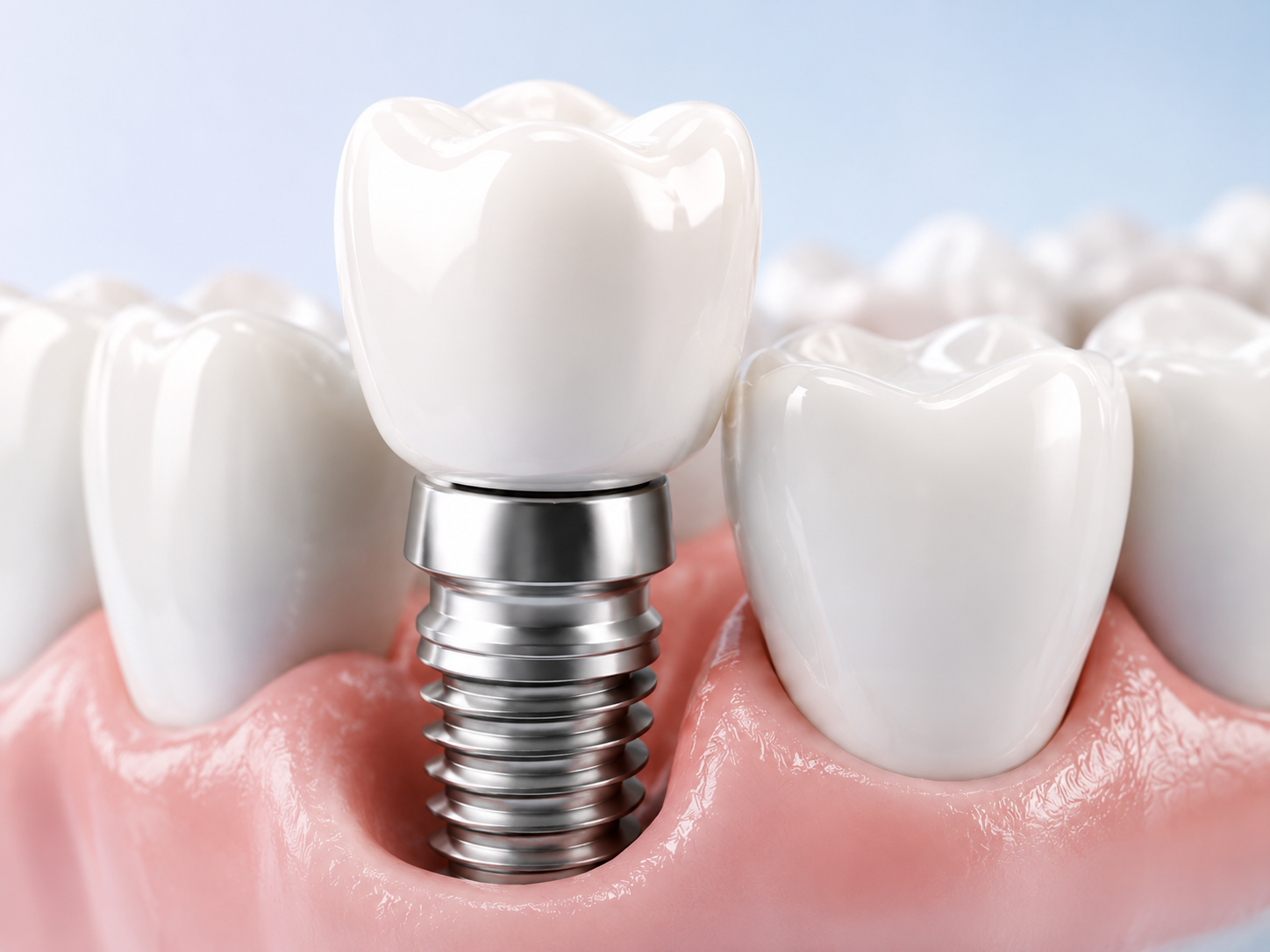 Implantology
Titanium implants that replace both the tooth and its root, helping restore natural chewing while supporting the surrounding jawbone.
View details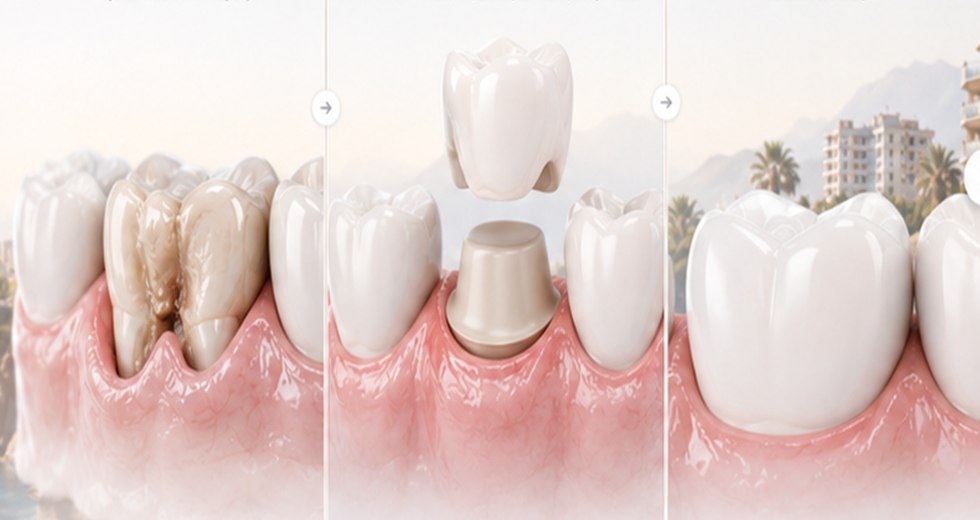 Aesthetic Dentistry
Custom-made zirconia crowns that cover, protect and restore damaged, worn or discoloured teeth while blending with your natural smile.
View details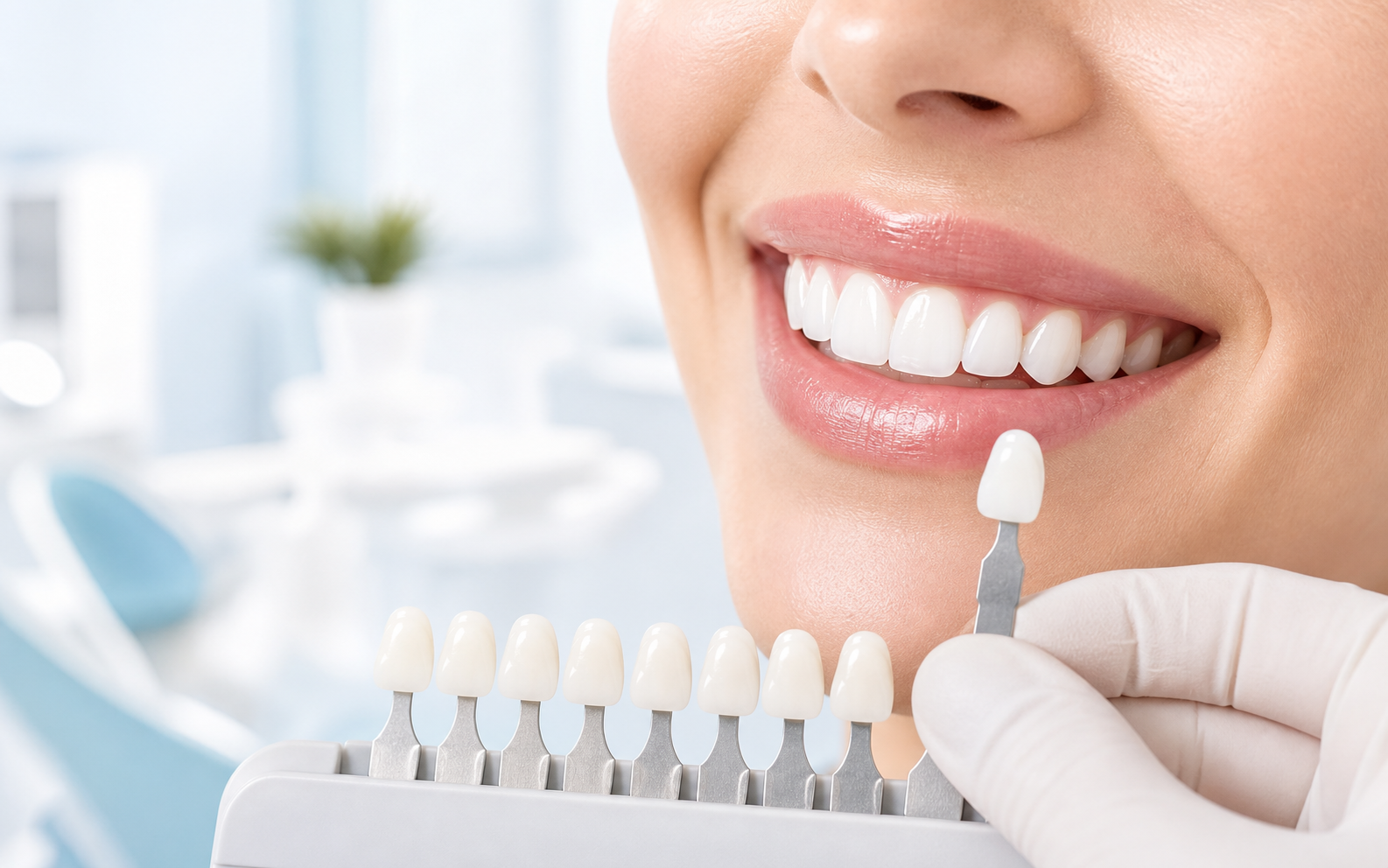 Aesthetic Dentistry
Thin, custom-made ceramic veneers that refine the colour, shape and symmetry of the front teeth while preserving healthy tooth structure.
View details